About the procedure
What is an anal fissure and how is it treated?
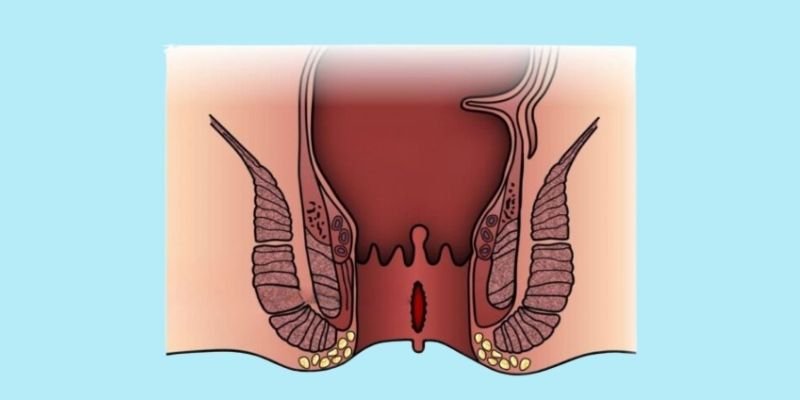
An anal fissure is a small tear or crack in the thin, moist tissue (mucosa) that lines the anus. It causes sharp, burning pain during and after a bowel movement — often described as "passing broken glass" — and may cause bright red bleeding on toilet paper or in the pan. The pain can last minutes to hours after defecation and is frequently the worst pain a patient experiences each day.
Fissures become chronic (lasting more than 6 weeks) when the tear triggers spasm of the internal anal sphincter muscle, which reduces blood flow to the fissure and prevents healing — a self-perpetuating cycle. Chronic fissures have a characteristic appearance: the tear itself, a skin tag (sentinel pile) below it, and a hypertrophied anal papilla above.
Lateral Internal Sphincterotomy (LIS) is the gold-standard surgical treatment for chronic anal fissure. A small, controlled cut in the internal anal sphincter reduces the high resting pressure in the anal canal, restoring blood flow to the fissure, breaking the pain-spasm cycle, and allowing healing. Healing rates exceed 95% and the procedure is performed as a 20-minute day-care operation.