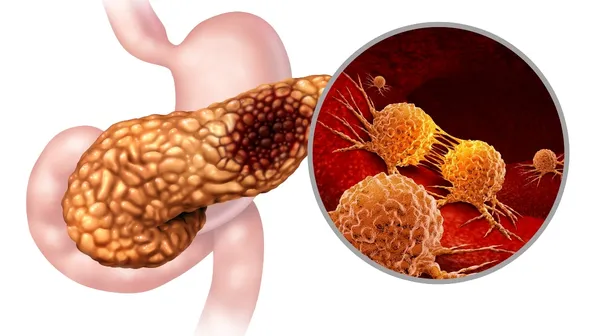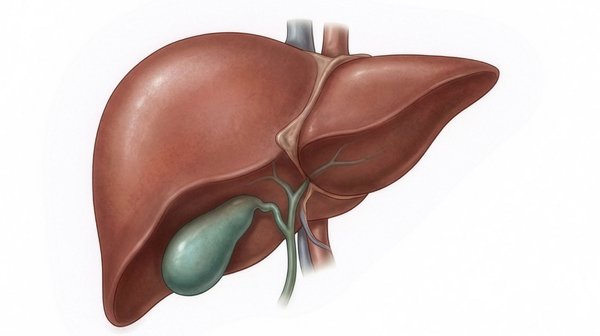
Gallbladder polyps are projections from the inner gallbladder wall, identified on ultrasound. Most (70-90%) are benign cholesterol deposits requiring no treatment - only periodic surveillance. A minority carry malignant potential, particularly when they are larger (>10mm), solitary, growing, or associated with gallstones. These require cholecystectomy. The key is knowing which category each polyp falls into.
Quick Answers
Gallbladder polyps are found in 4-7% of all adults on ultrasound - making them a relatively common incidental finding. The challenge is that ultrasound cannot reliably distinguish benign polyps from potentially malignant ones based on appearance alone. Size, number, growth rate, and associated features guide the management decision.
India has a higher incidence of gallbladder cancer than most other countries - making the correct management of gallbladder polyps particularly important. A polyp that would simply be observed in a low-risk Western patient may warrant surgical consideration in an Indian patient with additional risk factors.
Types of Gallbladder Polyps
Pseudopolyps (70-90% of all polyps)
- Cholesterol polyps - most common; tiny cholesterol deposits attached to the gallbladder wall; multiple, small (<10mm); no cancer risk; may detach and form gallstones; no surgery needed
- Adenomyomatosis - localised thickening of the gallbladder wall; creates a polypoid appearance; benign; may cause symptoms; surgery if symptomatic
- Inflammatory polyps - reactive tissue proliferation from chronic inflammation; benign
True polyps / neoplastic polyps (10-30%)
- Adenomas - benign tumours with low malignant potential; solitary; may grow; surveillance and surgery if >10mm
- Adenocarcinoma - early gallbladder cancer presenting as a polypoid lesion; most important to identify early
Surgery vs. Surveillance - Decision Guide
| Polyp Characteristics | Recommendation |
|---|---|
| Any polyp >10mm | Surgery - regardless of other features; malignant risk is significant |
| Any polyp with gallstones | Surgery - gallstones + polyp = higher cancer risk; cholecystectomy indicated |
| Polyp showing growth >2mm on follow-up | Surgery - growth is a red flag for neoplastic behaviour |
| Solitary polyp 6-9mm in patient >50 years | Close Watch + Consider Surgery - discuss with surgeon; cancer risk not negligible |
| Any symptomatic polyp (pain, biliary colic) | Surgery - symptoms plus polyp = clear indication |
| Polyp 6-9mm, patient <50, no other risk factors | 6-monthly ultrasound surveillance |
| Multiple small polyps <6mm | Annual surveillance ultrasound - almost always cholesterol polyps; very low cancer risk |
| Stable polyp <6mm, unchanged for 2 years | Discharge or 2-yearly surveillance |
In India, given the higher baseline risk of gallbladder cancer, a slightly more proactive approach to polyp management is reasonable. Patients with multiple risk factors (age >50, gallstones, primary sclerosing cholangitis, Indian/Asian ethnicity, family history of gallbladder cancer) warrant earlier surgical discussion for borderline polyps.
Symptoms of Gallbladder Polyps
Most gallbladder polyps cause no symptoms and are found incidentally on ultrasound performed for other reasons. When symptoms occur:
- Right upper abdominal discomfort - similar to biliary dyspepsia
- Intermittent right upper pain - if polyp causes intermittent obstruction of the cystic duct
- Nausea after fatty meals - biliary dyspepsia pattern
- Symptoms are non-specific and overlap significantly with gallstone disease
Any patient with symptoms attributable to a gallbladder polyp - regardless of size - has a symptomatic indication for cholecystectomy.
Diagnosis and Follow-Up
- Ultrasound abdomen: Primary investigation. Measures polyp size, number, echogenicity (appearance), and presence of gallstones. Should be performed fasting (4-6 hours) for best gallbladder visualisation.
- Contrast-enhanced ultrasound (CEUS): More sensitive for distinguishing benign from neoplastic polyps - shows vascularity pattern; performed when ultrasound findings are borderline
- CT scan or MRI: For staging when malignancy is suspected - assesses wall invasion and lymph node involvement
Surveillance protocol (for low-risk polyps)
- Polyps 6-9mm: Ultrasound at 6 months, 12 months, then annually for 5 years
- Polyps <6mm: Annual ultrasound for 2 years; if stable, discharge or 2-yearly
- Any growth >2mm = surgical referral
Treatment - Laparoscopic Cholecystectomy
When surgery is indicated for a gallbladder polyp, laparoscopic cholecystectomy is performed. The gallbladder is removed intact - to avoid spillage of bile or potentially malignant tissue into the peritoneal cavity.
The specimen is sent for histopathological examination to confirm the nature of the polyp and the adequacy of excision. In cases where early gallbladder cancer is found on histology - and the tumour is confined to the gallbladder wall - simple cholecystectomy may be curative. Deeper invasion requires additional surgery (re-resection of the gallbladder bed from the liver and lymph node clearance).
Frequently Asked Questions
Gallbladder Polyps in India
Key India-specific context
- India has one of the highest rates of gallbladder cancer in the world - particularly in the "gallbladder cancer belt" of north India and in Gujarat. This background risk makes proactive management of gallbladder polyps important in Indian patients
- Gallbladder polyps coexisting with gallstones - an extremely common finding in Indian women - warrant surgical consideration even when small, given the higher baseline cancer risk
- Many patients are alarmed when told they have a "polyp" in the gallbladder - reassurance that the majority are benign cholesterol deposits is important, alongside appropriate surveillance or surgery where indicated
Seek Care in Vadodara
Gallbladder polyp identified on ultrasound - consult Dr Samir Contractor at Sterling Hospital, Vadodara to discuss whether surveillance or surgery is appropriate for your specific polyp size and risk factors.
Desi Patient Questions
5mm polyp = most likely benign cholesterol deposit. Cancer risk negligible atle ni saze. Surgery nathi zaruri. Annual ultrasound for 2 years sufficient. Jyaré grow thay (>2mm) ya >10mm hoy, THEN surgery consider thashe.
Ha - bilkul sahi chhe. >10mm polyp = surgery recommended. Gallstones sathe hoy = further higher risk. India ma gallbladder cancer risk higher chhe. Cholecystectomy correct management chhe - polyp size ane stones banne surgical indication chhe.
Gallbladder Polyp Found? Get an Expert Opinion in Vadodara
Not all polyps need surgery - but some do. Dr Samir Contractor at Sterling Hospital, Vadodara provides expert assessment for gallbladder polyp management.