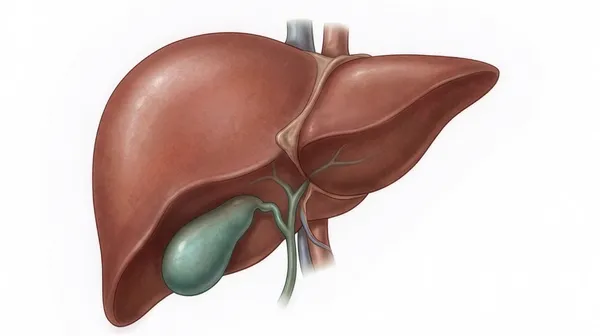
Gallbladder pain (biliary colic) and acidity (GERD/gastritis) are the two most common causes of upper abdominal discomfort in India — and they are regularly confused with each other. Getting the diagnosis right matters because antacids treat acidity but have no effect on gallstones, while surgery cures gallstones but is unnecessary for acidity. This comparison guide helps patients and clinicians distinguish the two.
Quick Answers
The confusion between gallbladder pain and acidity is one of the most common diagnostic errors in Indian medicine. Both cause post-meal upper abdominal discomfort. Both are extremely common. Both can involve nausea. But the causes, mechanisms, and treatments are entirely different — and antacids, the default treatment for "acidity," have absolutely no effect on gallstones.
The patient who has been taking antacids for 8 months for "acidity" and whose symptoms have not improved may actually have gallstones. An ultrasound, requested at any point in those 8 months, would have identified this immediately.
Head-to-Head Comparison
| Feature | Gallbladder Pain | Acidity (GERD/Gastritis) |
|---|---|---|
| Location | Right upper abdomen, below right rib cage | Central chest, throat, or central upper abdomen |
| Character | Cramping, colicky — waves of pain | Burning, gnawing, or pressure |
| Food trigger | Specifically fatty, oily, or fried food | Any spicy, acidic, or heavy meal; lying down; empty stomach |
| Timing after eating | 30-60 minutes after meal | During meal, just after, or on empty stomach |
| Duration | 1-4 hours, then completely resolves | Variable; may persist for hours; recurs frequently |
| Radiation | Right shoulder tip or right upper back | Chest, throat; no shoulder radiation |
| Between attacks | Completely normal — no baseline symptoms | May have baseline discomfort; daily burning |
| Antacid response | None — antacids do not help biliary colic | Often partial relief; heartburn improves |
| Heartburn | Absent | Common — burning in chest or throat |
| Key test | Ultrasound abdomen | H. pylori test + endoscopy |
| Treatment | Laparoscopic cholecystectomy | H. pylori eradication + PPI + diet change |
The most important single question: "Does the pain resolve completely in 1-4 hours and are you completely well between attacks?" If yes — gallbladder disease (biliary colic) is much more likely. Acidity tends to be more continuous and recurs daily or frequently. This natural history distinction is highly useful before any investigation.
Why Getting It Right Matters
- Antacids and PPIs treat acid — they have no effect on gallstones. Gallstone attacks temporarily resolve on their own, creating false confidence that antacids are working
- Patients with gallstones receiving antacid therapy for "acidity" continue to have attacks, risk cholecystitis, and may develop CBD stones or pancreatitis
- Conversely, surgery is unnecessary for GERD or H. pylori gastritis — these respond to medication
- The correct test for each costs very little: ultrasound (gallstones) and H. pylori breath test (gastritis) together typically provide the diagnosis within one investigation visit
Frequently Asked Questions
Desi Patient Questions
Nahi necessarily. Biliary colic 1-4 hours ma resolve thay chhe — stone shift thay chhe tenu tenu. Antacid leva pachhi pain gayo = coincidence ho sake chhe, confirmation nathi. Ultrasound karo — gallstones check karva ma 30 minute lagé chhe. Correct diagnosis first.
Ha — 2 years no improvement = wrong diagnosis most likely. Ultrasound + H. pylori test same visit ma karavo. Gallstones found = surgery solution. H. pylori found = 14-day treatment. Both found = both treated. Antacid na chalo — diagnosis first.
Acidity or Gallbladder? Get the Right Diagnosis in Vadodara
Ultrasound + H. pylori test = correct diagnosis. Dr Samir Contractor at Sterling Hospital, Vadodara.