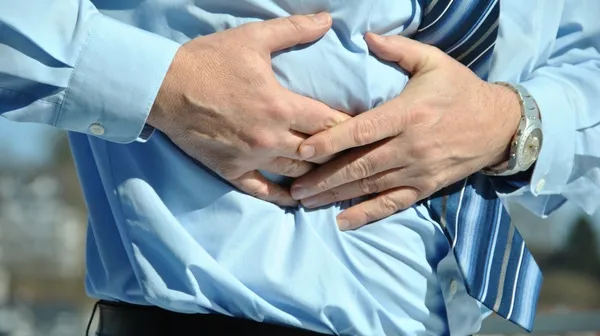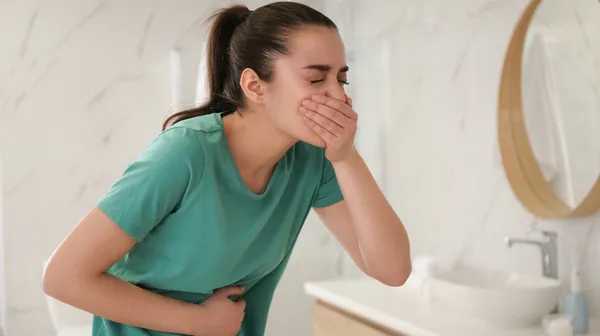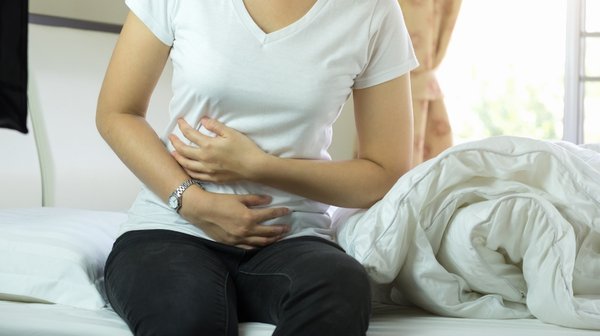
Right upper abdominal pain - felt below the right rib cage - is most commonly caused by gallstones, cholecystitis, or liver conditions. The timing, character, and associated features of the pain identify the likely cause. Most cases are managed with investigation and targeted treatment; acute cholecystitis and cholangitis require urgent hospital management.
Quick Answers
Right upper abdominal pain is one of the most common reasons patients present to a GI surgeon in India. The gallbladder sits in the right upper abdomen beneath the liver - and gallstones, the most common cause of right upper pain, are extremely prevalent in India, particularly in women between 30–55 years of age.
Understanding the pattern of right upper pain - when it occurs, how long it lasts, what triggers it - is the most important step in identifying the cause before any investigation is performed.
What Lives in the Right Upper Abdomen?
The right upper quadrant (RUQ) contains several organs that can produce pain when diseased:
- Gallbladder - stores bile; gallstones, cholecystitis
- Right lobe of liver - hepatitis, liver abscess, liver tumours, fatty liver
- Common bile duct (upper portion) - bile duct stones, stricture
- Head of pancreas - pancreatitis, pancreatic cancer
- Right kidney (upper pole) - kidney stones, pyelonephritis
- Right colon (hepatic flexure) - colitis, tumours
- Right lower chest - referred pain from pleuritis, pneumonia, pulmonary embolism
Symptoms and What They Suggest
Colicky right upper pain after fatty food - gallstones
Pain starts 30–60 minutes after a fatty or heavy meal. It is cramping and comes in waves. It may radiate to the right shoulder or the tip of the right shoulder blade (scapula). It typically lasts 1–4 hours and then resolves. Between attacks the patient feels completely normal. This is biliary colic - the hallmark symptom of symptomatic gallstones.
Constant right upper pain with fever and tenderness - cholecystitis
Pain is constant, not colicky. Right upper abdomen is tender to touch. Fever present. Nausea and vomiting common. Murphy's sign positive (sharp pain on deep inspiration while pressure is applied over the gallbladder). This is acute cholecystitis - a gallbladder infection requiring hospital admission and antibiotics, followed by cholecystectomy.
Right upper pain with jaundice - bile duct stones or cholangitis
The classic Charcot's triad: right upper pain + fever + jaundice. This combination indicates cholangitis - bile duct infection, usually from a stone blocking the common bile duct. This is a medical emergency requiring urgent ERCP and antibiotics.
Dull right upper ache with fatigue and dark urine - liver cause
Hepatitis (viral, alcoholic), fatty liver, or liver abscess. Associated with fatigue, dark urine, loss of appetite, and sometimes jaundice. Liver function tests are markedly elevated.
Causes of Right Upper Abdominal Pain
Common Causes
- Gallstones - biliary colic (most common)
- Acute or chronic cholecystitis
- Common bile duct stones
- Non-alcoholic fatty liver disease (NAFLD)
- Viral hepatitis (Hepatitis A, B, E)
- Alcoholic hepatitis
- Right kidney stone (ureteric colic)
- Pyelonephritis (right kidney infection)
- Musculoskeletal (costochondritis, rib fracture)
Serious Causes
- Acute cholecystitis with perforation
- Cholangitis (bile duct infection) - emergency
- Gallstone pancreatitis
- Liver abscess - amoebic or pyogenic
- Hepatocellular carcinoma
- Cholangiocarcinoma (bile duct cancer)
- Right lower lobe pneumonia (referred pain)
- Pulmonary embolism (referred right chest/upper abdomen pain)
Seek urgent evaluation if right upper pain is associated with:
- Fever - especially with right upper tenderness and jaundice (Charcot's triad = cholangitis emergency)
- Jaundice - yellow eyes or skin with pain - bile duct obstruction
- Constant, severe pain that does not ease - cholecystitis or complications
- Rigid or extremely tender abdomen
- Rapid deterioration with low blood pressure and confusion - septic shock from cholangitis
- Pain after recent abdominal surgery - leak or complication
- Severe pain radiating to back - pancreatitis
Who Is at Higher Risk of Gallstone-Related Right Upper Pain?
- Women between 30–55 years of age - oestrogen increases bile cholesterol saturation; gallstones are 2–3x more common in women than men
- Those with a high-fat diet - oily, fried, heavy Indian cooking; fatty food triggers gallbladder contraction and precipitates biliary colic
- Overweight or obese individuals - obesity increases biliary cholesterol secretion
- Rapid weight loss patients - particularly post-bariatric surgery; gallstones form rapidly during significant weight loss
- Those with diabetes - impaired gallbladder contractility promotes stone formation
- Family history of gallstones - significant genetic component to gallstone formation
- Haemolytic anaemias (sickle cell, thalassaemia) - increased bilirubin from red cell destruction forms pigment stones
How Doctors Evaluate Right Upper Abdominal Pain
History is the most critical tool. Your doctor will ask:
- Where exactly is the pain - right upper quadrant, central, or radiating?
- Is it colicky (comes and goes) or constant?
- Is it triggered by fatty food? Timing after meals?
- Does it radiate to the right shoulder or back?
- Is there fever? Jaundice? Vomiting?
- How many similar episodes have occurred?
Murphy's sign is specifically checked - the patient is asked to take a deep breath while the doctor presses gently over the gallbladder area. Sudden pain on inspiration (positive Murphy's sign) indicates cholecystitis.
Tests That May Be Needed
Not every patient needs every test. Tests depend on symptom pattern and clinical findings.
Ultrasound abdomen - first and most important
Identifies gallstones (echogenic foci with acoustic shadowing), gallbladder wall thickening (cholecystitis), bile duct dilatation (CBD stones), and liver abnormalities. Safe, fast, and highly accurate for gallstone disease. The first-line investigation for right upper abdominal pain.
Blood tests
Full blood count (infection, anaemia), liver function tests (bilirubin, AST, ALT, ALP, GGT - elevated in biliary obstruction or liver disease), amylase/lipase (pancreatitis).
MRCP (Magnetic Resonance Cholangiopancreatography)
Non-invasive imaging of the bile ducts and pancreatic duct. Identifies CBD stones, strictures, and bile duct tumours. Performed when ultrasound shows bile duct dilatation or when CBD stones are suspected.
CT scan abdomen
For complicated cholecystitis, suspected perforation, pancreatitis severity, or when malignancy is a concern. More comprehensive than ultrasound for surrounding structures.
ERCP (Endoscopic Retrograde Cholangiopancreatography)
Diagnostic and therapeutic procedure for bile duct stones. A scope passed through the mouth identifies and removes bile duct stones. Performed when MRCP confirms CBD stones or when cholangitis is present.
Treatment
Biliary colic (gallstones without infection)
Pain relief, low-fat diet, and elective laparoscopic cholecystectomy. Surgery prevents future attacks and complications (cholecystitis, CBD stones, pancreatitis). Elective surgery is planned within 4–6 weeks of diagnosis.
Acute cholecystitis
Hospital admission, IV antibiotics, IV fluids, pain control. Laparoscopic cholecystectomy - ideally within 72 hours (early cholecystectomy has better outcomes than delayed). Late surgery (interval cholecystectomy after 6 weeks) for patients presenting late or with high surgical risk.
CBD stones (choledocholithiasis)
ERCP to remove the stones from the bile duct. Followed by laparoscopic cholecystectomy to remove the gallbladder and prevent recurrence.
Cholangitis
Medical emergency. IV antibiotics, IV fluids, urgent ERCP for bile duct drainage and stone removal. High-dependency monitoring. Mortality is significant without timely decompression of the obstructed bile duct.
Dietary Guidance During Gallstone Symptoms
- Immediately: Avoid all fatty, oily, and fried food - this is the most direct trigger for biliary colic. No puri, bhajia, gathiya, ghee-heavy food, or large oily curries
- Eat: Low-fat meals - plain dal, khichdi, soft roti without ghee, steamed vegetables, fruit, curd (not at night)
- Note: Diet manages symptoms but does not treat gallstones. Definitive treatment is surgical removal of the gallbladder.
What Happens If Right Upper Pain Is Ignored?
- Biliary colic episodes become more frequent and severe over time
- Simple gallstones progress to cholecystitis (infected, inflamed gallbladder)
- CBD stone obstruction causes jaundice, cholangitis, and pancreatitis
- Empyema (pus in gallbladder), Mirizzi syndrome, gallbladder perforation - all serious complications of neglected gallstone disease
- Long-standing gallbladder inflammation (>10 years) carries a small but real risk of gallbladder cancer
Frequently Asked Questions
Right Upper Abdominal Pain in India
India-specific context
- Gallstone disease is among the most common surgical conditions in India - with a particularly high prevalence in north and western India including Gujarat, driven by dietary patterns and genetic predisposition
- Indian women between 30–55 - the typical patient profile - often attribute right upper pain to "gas" or "acidity" for months before seeking proper evaluation with ultrasound
- The post-festival pattern is classic - attacks of biliary colic commonly occur after heavy oily festival meals (Diwali, weddings) in patients with existing asymptomatic gallstones
- Viral hepatitis - particularly hepatitis A and E - is common in India and produces right upper pain with jaundice, particularly after contaminated water exposure
- Rapid weight loss post-bariatric surgery causes gallstones in 30–40% of patients - surgeons at bariatric centres in Vadodara routinely screen for this
Desi Patient Questions
Fatty food pachhi right upper pain = gallbladder biliary colic nu classic pattern chhe. Ultrasound karo - gallstones confirm thay 30 min ma. Low fat diet for now. Symptomatic gallstones mate laparoscopic surgery best option chhe - prevent kare future attacks ane complications ne.
Pain + fever + jaundice = Charcot's triad = cholangitis - EMERGENCY. Turant hospital javo. IV antibiotics ane ERCP zaruri chhe to bile duct drain karva. Delay dangerous chhe - septic shock thay shake chhe.
Asymptomatic stones generally observe karvay chhe. Pan jyaré: diabetes hoy, stone motu hoy (>3cm), ya doctor risk factors identify kare to surgery recommend thay. Ek vaar symptoms shuru thay - surgery recommend thay complications prevent karva.
Seek Care in Vadodara
Right upper abdominal pain - particularly after fatty meals or with fever - deserves evaluation. Dr Samir Contractor at Sterling Hospital, Vadodara provides ultrasound, blood tests, and laparoscopic surgical management.