whatsapp  Book Appointment
Advanced Laparoscopic Gall Bladder Surgery What is the Gallbladder? What is Laparoscopic Gall Bladder Surgery? Who Should Undergo Treatment? Benefits of Laparoscopic Surgery vs. Open Surgery What to Expect During the Procedure Recovery & Aftercare Living Without a Gallbladder Potential Risks & Complications Why Choose Us for Laparoscopic Gall Bladder Surgery? FAQs on Laparoscopic Gall Bladder Surgery People also like to read about

Advanced Laparoscopic Gall Bladder Surgery

Laparoscopic Gall Bladder Surgery Banner

Looking for Laparoscopic Gall Bladder Surgery?

Get a proper diagnosis and effective treatment from Dr. Samir Contractor.

Book a Consultation

Advanced Laparoscopic Gall Bladder Surgery

Safe, effective, and minimally invasive gallbladder treatment with expert surgical care.

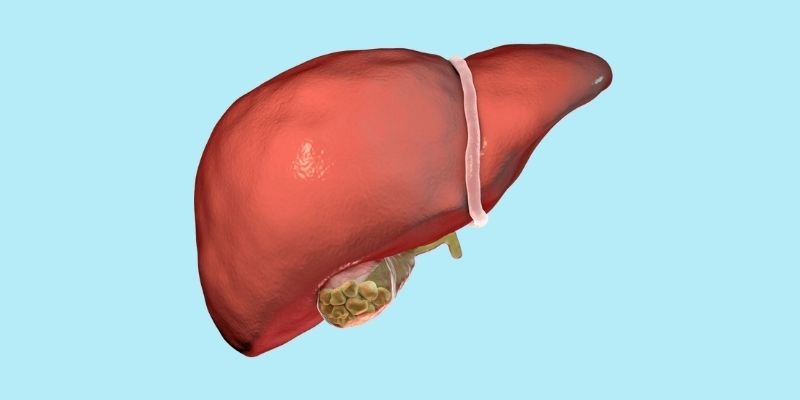
The gallbladder, a small pear-shaped organ beneath the liver, plays an important role in digestion by storing and releasing bile. However, in many people, gallstones or other gallbladder diseases can cause severe pain, nausea, and even life-threatening complications if left untreated.

In the past, gallbladder surgery meant a large abdominal incision, significant pain, and weeks of recovery. Today, with the advent of laparoscopic (keyhole) surgery, patients benefit from a safer, quicker, and less painful experience.

At our surgical practice, we specialize in advanced laparoscopic gall bladder surgery. With over 25 years of surgical expertise, more than 8,000 successful laparoscopic surgeries, and the latest technology, we provide world-class treatment with a patient-first philosophy that ensures you receive compassionate care tailored to your needs.

What is the Gallbladder?

The gallbladder is a small sac that stores bile – a digestive fluid produced by the liver. When you eat fatty foods, the gallbladder releases bile into the small intestine to help digest fats.

Common Gallbladder Diseases

  • Gallstones (Cholelithiasis): Hard deposits of cholesterol or bile salts that can block bile flow.
  • Acute Cholecystitis: Sudden, severe inflammation of the gallbladder often caused by gallstones.
  • Chronic Cholecystitis: Repeated attacks of pain and inflammation leading to a shrunken, non-functional gallbladder.
  • Choledocholithiasis: Gallstones that slip into and block the bile duct.
  • Gallstone Pancreatitis: When a gallstone blocks the pancreatic duct, causing inflammation of the pancreas.

Symptoms You Should Not Ignore

  • Sudden pain in the right upper abdomen or center of the stomach (especially after fatty meals)
  • Nausea and vomiting
  • Indigestion, bloating, and gas
  • Fever and chills (suggesting infection)
  • Jaundice (yellowing of eyes and skin, indicating bile duct blockage)

If you are experiencing these symptoms, you should seek medical advice promptly.

What is Laparoscopic Gall Bladder Surgery?

What is Laparoscopic Gall Bladder Surgery?

Laparoscopic gall bladder surgery (also called laparoscopic cholecystectomy) is a minimally invasive procedure to remove the gallbladder. Instead of a large incision, the surgeon makes 3–4 small incisions (each less than 1 cm) in the abdomen. Through these, a laparoscope (camera) and fine instruments are inserted to perform the surgery safely.

This technique provides a magnified, high-definition view of the gallbladder and surrounding organs, allowing the surgeon to operate with precision.

Gall Bladder Surgery Patient

Who Should Undergo Treatment?

You may be advised laparoscopic gall bladder surgery if you have:

  • Symptomatic gallstones causing pain, nausea, or vomiting
  • Repeated attacks of gallbladder infection (cholecystitis)
  • Gallstones causing jaundice or pancreatitis
  • A non-functioning or diseased gallbladder
  • Polyps in the gallbladder that pose cancer risk

Not every patient is suitable. For example, those with severe heart or lung disease, advanced liver disease, or very complicated gallbladder infections may require a different approach. A detailed consultation and investigations will determine the best option for you.

Benefits of Laparoscopic Gall Bladder Surgery

Benefits of Laparoscopic Surgery vs. Open Surgery

Traditional open surgery requires a long cut across the abdomen (10–15 cm), resulting in more pain, longer hospital stays, and visible scars.

Laparoscopic surgery, on the other hand, offers:

  • Tiny scars (almost invisible after healing)
  • Less pain after surgery
  • Faster recovery – most patients go home within 24–48 hours
  • Lower risk of wound infection
  • Quicker return to daily life and work
  • Better cosmetic results

For most patients, laparoscopic surgery has become the gold standard treatment worldwide.

What to Expect During the Procedure

We believe in preparing our patients mentally and emotionally before surgery. Here’s what typically happens:

01

Preoperative Preparation

  • You will undergo blood tests, ultrasound, ECG, and other investigations to ensure fitness for surgery.
  • You will need to fast for 6–8 hours before surgery.
  • General anaesthesia is administered.
02

Surgical Steps

  • 3–4 tiny incisions are made in the abdomen.
  • The laparoscope (camera) is inserted to project a magnified view on a screen.
  • Special instruments are used to carefully separate and remove the gallbladder.
  • The gallbladder is extracted through one of the small incisions.
03

Completion

  • The incisions are closed with fine sutures or surgical glue.
  • Surgery usually takes 45–60 minutes.
Recovery after gallbladder surgery

Recovery & Aftercare

  • Hospital Stay: Most patients are discharged the same day or next day.
  • Pain: Minimal and well-controlled with simple painkillers.
  • Diet: Start with liquids, then gradually return to a normal diet.
  • Activity: Light walking is encouraged within a few hours. Avoid lifting heavy weights for 2–3 weeks.
  • Work: Most patients return to work within 7–10 days.
  • Follow-up: Stitches (if any) are removed after 7–10 days.
Living Without a Gallbladder

Living Without a Gallbladder

Many patients worry about life after gallbladder removal.
The good news is: you can live a completely normal life without a gallbladder.

  • Bile flows directly from the liver to the intestine without being stored.
  • Most people have no long-term dietary restrictions.
  • Occasionally, mild indigestion or loose stools may occur in the early weeks, which usually resolves.
  • A balanced diet, avoiding very oily or spicy food initially, helps smooth recovery.
Potential Risks and Complications

Potential Risks & Complications

Though laparoscopic gall bladder surgery is extremely safe, like any surgery, risks exist:

  • Bleeding or infection
  • Bile leakage
  • Injury to nearby organs (rare)
  • Conversion to open surgery (if needed for safety)

Our experienced surgical team and advanced facilities ensure that these risks are minimized.

Why trust this content

Experience · Expertise · Authority · Trust

Every page on this site is written and medically reviewed by Dr Samir Contractor — a practising fellowship-trained surgeon — not by a content agency. Here is the evidence behind that claim.

E

Experience

Over 25 years of continuous surgical practice at Sterling Hospitals, Vadodara. Every claim on this page is drawn from direct clinical experience — not textbook paraphrasing.

25+ years in active surgical practice
8,000+ total procedures performed
5,000+ laparoscopic procedures
400+ bariatric procedures (sleeve & bypass)
1,500+ anorectal procedures
Senior Consultant, Sterling Hospitals since 2000
E

Expertise

Fellowship-trained at the Royal College of Surgeons of Edinburgh with subspecialty MIS training at Sir Ganga Ram Hospital, New Delhi. Board-certified in multiple countries.

MBBS — Medical College Baroda
MS (General Surgery) — Medical College Baroda
FRCS — Royal College of Surgeons, Edinburgh (UK)
FMAS — Fellow in Minimal Access Surgery
FACS — American College of Surgeons (USA)
PN1 Certified Exercise & Nutrition Coach
A

Authoritativeness

Affiliated with Sterling Hospitals — a leading multi-specialty hospital in Vadodara. Active member of recognised surgical bodies in India, the United Kingdom and the United States.

Senior Consultant, Sterling Hospitals, Vadodara
Indian Medical Association (IMA)
Indian Assoc. of GI Endo Surgeons (IAGES)
Obesity Surgery Society of India (OSSI)
Association of Surgeons of India (ASI)
General Medical Council, United Kingdom
T

Trustworthiness

Transparent pricing published on every procedure page. Surgery recommended only when clinically indicated. 4.9★ patient rating from named, verified patient reviews.

★ 4.9 average verified patient rating
Transparent package pricing on all pages
Medical disclaimer on every page
Content last reviewed: May 2026
Sterling Hospitals, Vadodara — established institution
Surgery discussed only when clinically appropriate
Qualifications
MBBS MS — General Surgery FRCS (Edinburgh, UK) FMAS FACS (USA) PN1 Certified
Memberships & Registrations
IMA IAGES ASI OSSI GMC, United Kingdom Royal College of Surgeons, Edinburgh American College of Surgeons

FAQs on Laparoscopic Gall Bladder Surgery

Not always. If gallstones are silent (causing no symptoms), surgery may not be required. But if they cause pain, infection, or complications, removal is the safest solution.

Usually 45 minutes to 1 hour.

No. Only 3–4 very small incisions (less than 1 cm each) are made. Scars are barely visible after healing.

Pain is minimal compared to open surgery and is well-managed with simple medicines.

Most patients are discharged the same day or within 24 hours.

Yes. The liver continues to produce bile, and your digestion returns to normal quickly.

Initially, light meals are advised. Later, you can enjoy a normal diet, though reducing very oily and spicy food is recommended.

Risks are rare but include infection, bleeding, bile leakage, or injury to nearby structures. In experienced hands, complications are very uncommon.

Yes, but additional precautions and preoperative assessments are done to ensure safety.

Because it offers faster recovery, less pain, tiny scars, lower complication rates, and better overall outcomes.


People also like to read about


Laparoscopic Surgery Ebook Mockup
Free Instant Access

Laparoscopic Cholecystectomy

Patient Information Guide

Back to top