whatsapp  Book Appointment

Common Bile Duct Stones (Choledocholithiasis) | Symptoms & Treatment

Common Bile Duct Stones (Choledocholithiasis) | Symptoms & Treatment
Laparoscopic Surgery

Common Bile Duct Stones (Choledocholithiasis) | Symptoms & Treatment

SC
Written & Medically Reviewed By
Dr Samir Contractor · MS · FRCS (UK) · FMAS · FACS (USA)
Senior Consultant, Sterling Hospitals, Vadodara · Last reviewed: May 2026

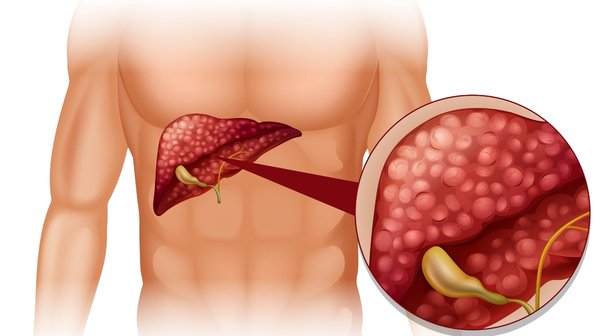
Common bile duct (CBD) stones occur when gallstones migrate from the gallbladder into the common bile duct - the main drainage channel for bile from the liver. They cause jaundice, right upper abdominal pain, and elevated liver enzymes. Without treatment, they lead to cholangitis (a life-threatening infection) or gallstone pancreatitis. The treatment is ERCP (endoscopic stone removal) followed by laparoscopic cholecystectomy.

Quick Answers

What are CBD stones? Gallstones that have migrated from the gallbladder into the common bile duct, obstructing bile flow and causing jaundice, right upper pain, and elevated liver enzymes.
Are they dangerous? Yes - obstructed bile duct can develop infection (cholangitis = emergency) or cause pancreatitis. Both are serious complications requiring urgent treatment.
How are they treated? ERCP (endoscopic procedure through the mouth) removes stones from the bile duct. Followed by laparoscopic cholecystectomy to remove the gallbladder and prevent recurrence.
How are they diagnosed? Ultrasound shows dilated bile duct. MRCP confirms stone location. Blood tests show elevated bilirubin, ALP, and GGT.

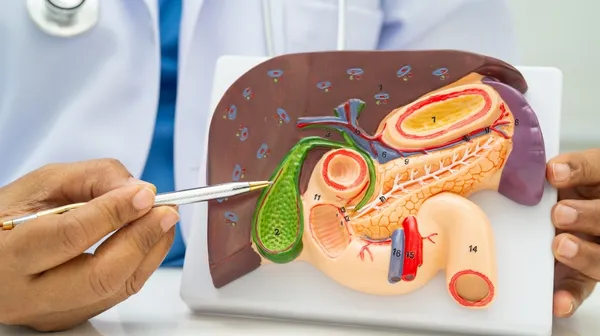
The common bile duct (CBD) is the main channel that carries bile from the liver and gallbladder to the small intestine. When a gallstone migrates from the gallbladder through the cystic duct into the CBD, it causes obstruction to bile flow. Bile backs up into the liver, causing jaundice. If bacteria colonise the stagnant obstructed bile, cholangitis - bile duct infection - develops. This is one of the most serious biliary emergencies.

CBD stones occur in 10-15% of patients with gallstones. They may be discovered incidentally during evaluation for gallstone disease, or they may present acutely with jaundice, pain, and fever. Early treatment is essential.


Symptoms of CBD Stones

  • Jaundice - yellow discolouration of eyes and skin; the most specific sign of bile duct obstruction
  • Right upper abdominal pain - from biliary obstruction and distension
  • Dark urine - bilirubin excreted in urine; tea-coloured or cola-coloured
  • Pale or clay-coloured stool - bile not reaching the intestine
  • Pruritus (itching) - bile salts deposited in skin
  • Nausea and vomiting
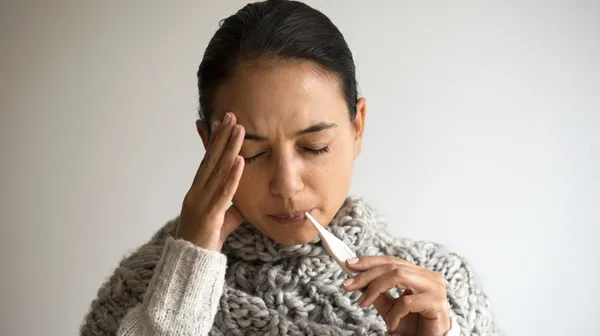
  • Fever (if cholangitis develops) - Charcot's triad: pain + fever + jaundice

Some CBD stones pass spontaneously and only produce transient mild jaundice. Others cause sustained obstruction with progressive jaundice and risk of cholangitis.

Seek urgent evaluation if CBD stone features include:

  • Fever with jaundice and right upper pain - cholangitis (emergency - ERCP needed urgently)
  • Severe constant upper central pain radiating to back - gallstone pancreatitis
  • Worsening jaundice over days
  • Confusion, low blood pressure - severe septic cholangitis

Diagnosis

  • Blood tests: Elevated serum bilirubin (total and direct), ALP and GGT (bile duct enzymes) markedly elevated; AST and ALT moderately elevated; WBC elevated if cholangitis
  • Ultrasound abdomen: Shows dilated CBD (>8mm in patients without prior cholecystectomy), gallstones in gallbladder; actual stone in CBD may not always be seen on ultrasound
  • MRCP: Most accurate non-invasive imaging for CBD stones; shows stones as filling defects within the bile duct; performed when ultrasound shows CBD dilatation or liver function tests are abnormal in a gallstone patient
  • ERCP: Both diagnostic and therapeutic - confirms stones and removes them in the same session

Treatment - Two-Step Approach

Treatment Pathway for CBD Stones

1
ERCP - Endoscopic Stone Removal A flexible scope is passed through the mouth into the duodenum. The bile duct opening (papilla of Vater) is enlarged by sphincterotomy. Stones are extracted using balloons and baskets. Success rate >90%. Most patients go home the same day or next morning. Complications (post-ERCP pancreatitis, bleeding, perforation) occur in 2-5% of cases.
2
Laparoscopic Cholecystectomy - After ERCP Removes the gallbladder - the source of stones - preventing future CBD stone migration. Performed same admission or within 2 weeks of successful ERCP. Without cholecystectomy, new stones migrate into the CBD in 30-50% of patients within 5 years.

For cholangitis (emergency)

IV antibiotics immediately. IV fluids. Urgent ERCP within 12-24 hours for bile duct decompression and stone removal. High-dependency monitoring. Cholecystectomy after infection settles.

Alternative - Laparoscopic CBD exploration

In selected cases where ERCP is not available or fails, laparoscopic common bile duct exploration (LCBDE) can remove CBD stones surgically at the same time as cholecystectomy - a single-stage procedure increasingly performed at specialist centres.


Frequently Asked Questions

Gallbladder stones (cholelithiasis) sit within the gallbladder itself and cause biliary colic by obstructing the cystic duct (gallbladder outlet). CBD stones (choledocholithiasis) are in the common bile duct - the main biliary drainage channel. CBD stones cause jaundice (because bile flow from the liver is obstructed), elevated liver enzymes, and risk of cholangitis. Gallbladder stones are removed with the gallbladder; CBD stones require ERCP for removal followed by cholecystectomy.

ERCP removes the stone from the bile duct - but the gallbladder (the source of new stones) remains. Without cholecystectomy, new gallstones form in the gallbladder and can migrate into the CBD again. Studies show 30-50% of patients who have ERCP without cholecystectomy develop new CBD stones within 5 years. The two-procedure approach (ERCP then cholecystectomy) provides complete, definitive management of the whole biliary stone problem.

Post-ERCP pancreatitis is inflammation of the pancreas triggered by the ERCP procedure. It is the most common complication of ERCP, occurring in 2-5% of cases. It is usually mild and self-limiting - presenting as abdominal pain and elevated lipase starting 4-6 hours after ERCP. Severe post-ERCP pancreatitis is rare (<1%). Preventive measures including rectal indomethacin (an anti-inflammatory suppository) are routinely used in many centres to reduce the risk. The benefit of treating CBD stones far outweighs the complication risk of ERCP in appropriate patients.

Desi Patient Questions

ERCP pachhi cholecystectomy pan zaruri chhe? Shu ek j procedure thi nahi chaltu?

ERCP CBD thi stone remove kare chhe - pun gallbladder (stone source) remain kare chhe. Without cholecystectomy, 30-50% patients na new CBD stones 5 years ma develop thay chhe. Both procedures together = complete solution. ERCP first, cholecystectomy same admission ya 2 weeks ma.

ERCP safu chhe? Shu dard thay chhe?

ERCP sedation ya light anaesthesia sathe thay chhe - dard minimal hoy chhe procedure during. Success rate >90%. Complications 2-5% ma thay chhe (pancreatitis most common, usually mild). Overall very safe ane effective procedure. Same day ya next day discharge most patients ma.

CBD Stones? Get ERCP + Cholecystectomy in Vadodara

Complete bile duct stone management - ERCP and laparoscopic surgery at Sterling Hospital, Vadodara. Dr Samir Contractor.
Article Reviewed by: Dr. Samir Contractor, Senior Consultant Laparoscopic, Anorectal & Bariatric Surgeon, MS, FRCS(UK), FMAS, FACS(USA), PN Certified exercise and Nutrition Coach (Canada)
Clinical expertise: Anorectal surgery, advanced laparoscopy, bariatric & metabolic surgery. Medically Supervised Weight loss program
Experience: 25+ years of Clinical experience.
Last medically reviewed: April 2026
Editorial policy: Content on drsamircontractor.com is written and reviewed by a practising surgeon. Each page is updated whenever clinical practice guidelines change.
Medical Disclaimer: This page is for educational purposes only and does not replace a face-to-face consultation with a qualified medical professional. The information provided is based on general clinical principles and may not apply to every individual case. Do not self-diagnose or self-treat based on this content. Dr. Samir Contractor and Sterling Hospital, Vadodara, are not responsible for decisions made based solely on this information.
Back to top