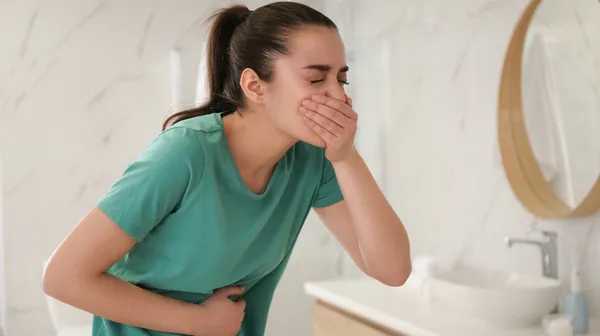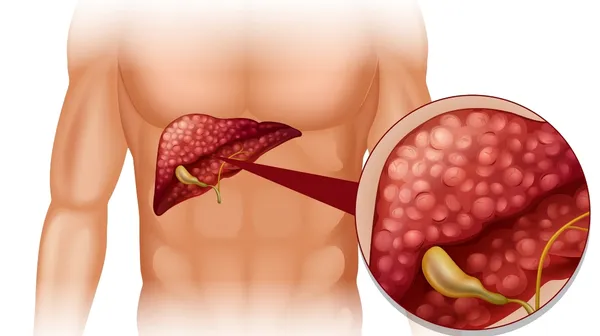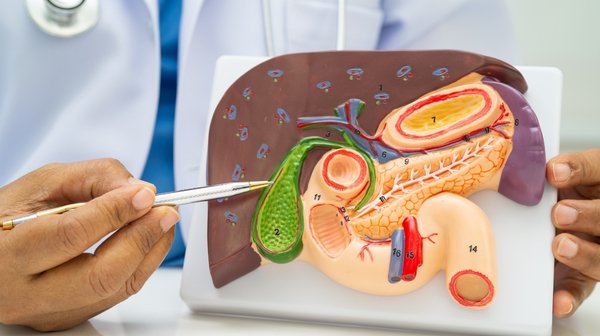
Chronic cholecystitis is long-standing, low-grade inflammation of the gallbladder - the result of repeated biliary colic episodes or chronic gallstone irritation of the gallbladder wall over months to years. Unlike acute cholecystitis, it does not present with fever and acute infection. Instead, it produces persistent biliary dyspepsia - right upper discomfort, bloating, and nausea after fatty meals that never fully goes away. The treatment is laparoscopic cholecystectomy.
Quick Answers
Chronic cholecystitis is the most common form of gallbladder disease in India. It develops when gallstones repeatedly irritate and obstruct the gallbladder, causing cumulative inflammatory damage to the gallbladder wall. The gallbladder becomes thickened, scarred, and functions poorly. Many patients with chronic cholecystitis have a history of recurrent biliary colic attacks and have been managing with dietary restriction for months or years before seeking definitive treatment.
Acute vs Chronic Cholecystitis
Acute Cholecystitis
- Sudden onset
- Constant severe right upper pain
- Fever 38-39°C
- Murphy's sign positive
- WBC markedly elevated
- Thick-walled gallbladder on ultrasound + pericholecystic fluid
- Hospital admission required
- Surgery within 72 hours
Chronic Cholecystitis
- Gradual, ongoing
- Recurring or persistent right upper discomfort
- No fever
- Murphy's sign may be mildly positive
- WBC normal or mildly elevated
- Thick-walled, shrunken gallbladder on ultrasound
- Outpatient management possible
- Elective cholecystectomy planned
Symptoms of Chronic Cholecystitis
- Recurring right upper abdominal discomfort - may be present most days at a lower intensity than an acute attack
- Bloating and upper abdominal heaviness after meals - particularly after fatty food
- Nausea - ongoing, not episodic
- Intolerance to fatty food - even small amounts of oily food cause discomfort
- Chronic right upper tenderness
- Reduced quality of life from persistent dietary restriction
- Episodes of more severe pain (biliary colic) superimposed on the background discomfort
Chronic cholecystitis is the diagnosis in most patients who describe "years of right upper discomfort and intolerance to oily food" - not dramatic acute attacks but persistent nagging symptoms that significantly affect daily life and dietary choices. Cholecystectomy typically provides excellent relief.
Causes and Pathology
Chronic cholecystitis is almost always caused by gallstones. Repeated episodes of biliary colic - each time a stone temporarily obstructs the cystic duct - cause cumulative inflammation of the gallbladder wall. Histologically, the gallbladder wall shows fibrosis, thickening, lymphocytic infiltration, and Rokitansky-Aschoff sinuses (epithelial invaginations into the thickened wall).
The gallbladder becomes contracted (shrunken) in advanced chronic cholecystitis - it loses its ability to concentrate and store bile effectively, producing symptoms even without acute infection.
A non-functioning gallbladder - detected on HIDA (hepatobiliary iminodiacetic acid) scan as a gallbladder that fails to take up the radionuclide tracer - is the end stage of chronic cholecystitis. It produces persistent biliary dyspepsia and is a clear indication for cholecystectomy.
Diagnosis
- Ultrasound abdomen: Gallstones + thickened gallbladder wall (>3mm on a fasted scan, >4mm on non-fasted) + contracted or shrunken gallbladder. The gallbladder may appear full of stones ("packed" gallbladder)
- HIDA scan: Measures gallbladder ejection fraction. Low ejection fraction (<35%) indicates a non-functioning gallbladder from chronic inflammation - an indication for cholecystectomy even when symptoms are atypical
- Blood tests: Usually normal or mildly elevated CRP. Liver function tests normal unless CBD stones present
Treatment - Laparoscopic Cholecystectomy
Laparoscopic cholecystectomy is the definitive treatment for chronic cholecystitis. It removes the gallbladder and stones permanently, eliminating the source of chronic inflammation and biliary dyspepsia.
Key considerations for chronic cholecystitis cholecystectomy:
- The gallbladder in chronic cholecystitis is often thick-walled and adherent to surrounding structures - requiring careful dissection, particularly at the hepatocystic triangle (Calot's triangle)
- Conversion to open surgery is slightly more common than in acute cholecystitis in very fibrotic cases - this is a sign of surgical expertise, not failure
- Most patients achieve excellent symptomatic relief after surgery - right upper discomfort, bloating, and fatty food intolerance typically resolve
- A small proportion have residual functional symptoms post-cholecystectomy from coexisting functional dyspepsia - managed with standard functional dyspepsia treatment
Frequently Asked Questions
Desi Patient Questions
Aa chronic cholecystitis chhe - long-standing gallbladder inflammation from repeated stone episodes. Laparoscopic cholecystectomy definitive solution chhe. Most patients symptoms fully resolve after surgery. Doctor sathe surgery planning discuss karo - elective scheduled operation chhe, emergency nathi.
Chronic Right Upper Discomfort and Fatty Food Intolerance? Get Evaluated in Vadodara
Chronic cholecystitis is treated with laparoscopic cholecystectomy - most patients achieve complete symptom resolution. Dr Samir Contractor at Sterling Hospital, Vadodara.