You have been told you need surgery. Your mind goes to big cuts, days in bed, and weeks away from work. This fear stops many people from getting care they actually need. But most surgeries today do not look like that at all. At Sterling Hospital, Vadodara, Dr. Samir Contractor performs operations through incisions smaller than your fingertip.
What Makes a Surgery "Minimally Invasive"?
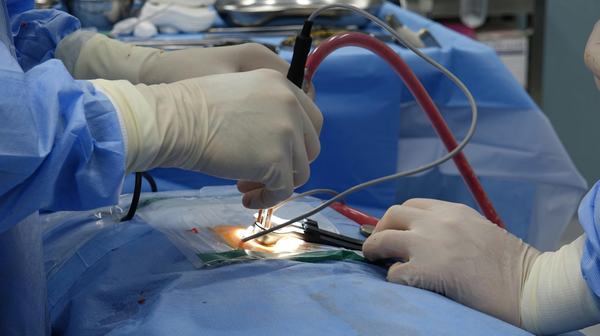
Traditional open surgery needs a long cut — sometimes 15–20 cm wide. The surgeon opens the body to see and work inside. Minimally invasive surgery takes a completely different path. The surgeon makes 2–4 tiny holes, each just 5–10 mm. A thin camera goes in through one hole. Slim tools go through the others. The surgeon watches a screen and operates with precision from outside.
No large wound. No cut through layers of muscle. That is why recovery looks and feels so different.
Why the Incision Size Matters
The size of a surgical cut directly affects your experience after surgery. A large open wound cuts through skin, fat, and muscle — causing significant pain, prolonged healing, visible scarring, and higher infection risk. A 5–10 mm incision does none of this to the same degree. Surrounding tissue stays intact. Healing starts faster. Pain is manageable within days.
| Feature | Open Surgery | Keyhole / Laparoscopic |
|---|---|---|
| Incision size | 15–20 cm | 5–10 mm |
| Hospital stay | 5–7 days | 1–2 days |
| Recovery time | 4–6 weeks | 1–2 weeks |
| Post-op pain | High | Low to moderate |
| Scarring | Prominent | Barely visible |
| Infection risk | Higher | Significantly lower |
| Blood loss | More | Minimal |
Laparoscopic Treatment: What It Covers and How It Works
The most widely used form of minimally invasive surgery is the laparoscopic procedure. A laparoscope — a thin tube with a camera and light — enters through a tiny cut. The surgeon gets a clear, magnified view of organs inside without opening the body.
Dr. Samir uses this approach for a wide range of conditions at Sterling Hospital.
Gallbladder Surgery
Laparoscopic gallbladder surgery removes stones or the gallbladder through 3–4 tiny cuts. Patients go home the next day.
Hernia Repair
Laparoscopic hernia surgery fixes inguinal, umbilical, and incisional hernias with mesh — less pain than open repair.
Appendix Removal
Laparoscopic appendix surgery for appendicitis. Most patients discharged within 24–48 hours.
Bariatric Surgery
Laparoscopic bariatric surgery for obesity — sleeve, bypass, or mini-bypass — with metabolic and diabetes benefits.
Anti-Reflux Surgery
Laparoscopic colon surgery and fundoplication for severe GERD and bowel conditions that medicines cannot control.
Abdominal Surgery
Splenectomy, adhesiolysis, and general abdominal operations — all performed through keyhole access.
Who Is a Good Candidate?
Most patients with common abdominal conditions are suitable for minimally invasive surgery. Dr. Samir assesses each case individually. You are likely a good candidate if you:
Patients who are elderly, diabetic, or overweight often benefit most. Smaller wounds reduce surgical stress and lower complication risk in high-risk cases.
Before, During, and After Surgery: What to Expect
Consultation & Pre-Op Tests
Dr. Samir reviews your symptoms, reports, and medical history. Blood tests, scans, and anaesthesia fitness are arranged. You receive clear fasting and medication instructions.
The Operation
You are under general anaesthesia — you feel nothing. The team makes 2–4 tiny incisions. Surgery takes 30–90 minutes. Wounds are closed with fine stitches or glue.
Recovery Room
You wake up, nurses monitor you closely. Mild discomfort is expected and managed well. Many patients take their first steps within a few hours.
Going Home
Most patients are discharged with a discharge summary, medications, and a follow-up appointment date.
Back on Your Feet
Pain reduces significantly. Office workers often return to work by Day 7. Light walks are encouraged from Day 2.
Full Recovery
Normal activity resumes gradually. Heavy lifting stays restricted for 4 weeks. Compare this to 4–6 weeks of complete rest after open surgery.
Why Patients Across Gujarat Choose Sterling Hospital, Vadodara
Patients searching for keyhole surgery in Vadodara have access to one of the region's most experienced laparoscopic surgery specialists. Dr. Samir Contractor has built a reputation across Gujarat for complex, high-precision laparoscopic work — and for the clear, honest communication his patients consistently value.
Patients travel from Surat, Anand, Bharuch, Rajkot, and Ahmedabad for this level of care in Vadodara. The facility includes high-definition 4K imaging, fully equipped operation theatres, and complete ICU backup.
Is Affordable Laparoscopic Surgery Available in Vadodara?
Cost is a common concern — and a fair one. Affordable laparoscopic surgery is available at Sterling Hospital, and most procedures are covered by standard health insurance including individual mediclaim, corporate group cover, and government schemes such as PMJAY/Ayushman Bharat where applicable.
For patients paying directly, costs are discussed upfront and transparently. The billing team helps you prepare documentation and process claims. There are no hidden charges.
Dietary Guidance After Surgery: For Gujarati Patients
Your digestive system needs time to adjust after surgery. This is especially true after gallbladder or bariatric procedures. Here is a practical guide using familiar Gujarati foods.
- Coconut water, nimbu paani, or clear vegetable broth
- Soft khichdi with minimal ghee
- Plain curd at room temperature
- Mashed banana or boiled apple
- Thin dal (not spicy) with soft roti
- Light sabzi — avoid heavy masalas or excess oil
- Upma, poha, or dalia for breakfast
- Steamed or boiled vegetables
- Resume most foods slowly — listen to your body
- Avoid pakoras, samosas, very oily dishes for 4 weeks
- Limit rajma and chole early on — they cause gas
- Chaas (buttermilk) is excellent once you feel settled
- No cold drinks or packaged juices for 2–3 weeks
Frequently Asked Questions
Should You Get a Second Opinion?
If your current doctor has advised surgery and you want clarity before deciding, Dr. Samir welcomes second-opinion consultations. He will review your reports without judgment, explain whether surgery is the only option, and answer every question honestly — without pressure.
Informed patients make the best decisions. That is why this conversation always starts with a proper consultation, not a sales pitch.
Small Cuts, Real Results
Surgery does not have to mean weeks of disruption. Most common abdominal procedures are now performed through incisions you can barely see — with pain that settles in days, not weeks.
Less pain. Shorter stay. Back to your family and work sooner.
Dr. Samir Contractor at Sterling Hospital, Vadodara performs these procedures daily — with the precision that comes from 25+ years of experience and 8,000+ successful operations. Book your consultation today. The first step is simply a conversation.