Straining during bowel movements - excessive effort required to pass stool - is both a symptom of constipation and a driver of anorectal complications. Chronic straining causes hemorrhoids, anal fissures, and rectal prolapse over time. Understanding why straining occurs and how to eliminate it protects long-term anorectal health.
✦ Quick Answers
Straining during stool is one of the most underappreciated contributors to anorectal disease. Many patients do not recognise that the effort they apply to defecation each day is abnormal - they have never been told that bowel movements should be effortless and should take only 2-3 minutes in optimal conditions. Teaching patients about the physiology of normal defecation and the simple measures that restore it is a powerful preventive intervention.
Why Straining Occurs
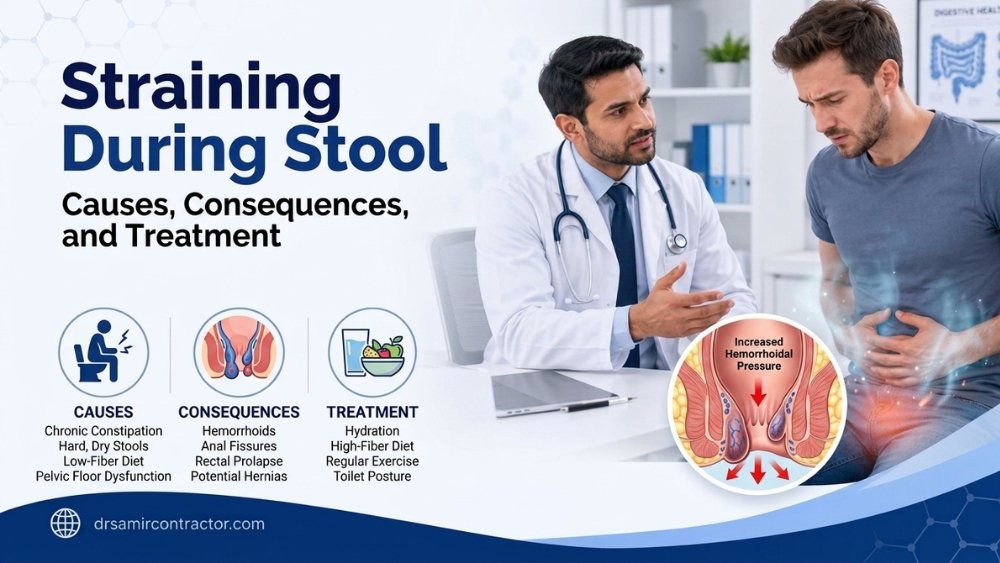
- Hard or insufficient stool - the most common cause. Low-fibre diet and inadequate water create dry, pellet-like stools that require effort to pass.
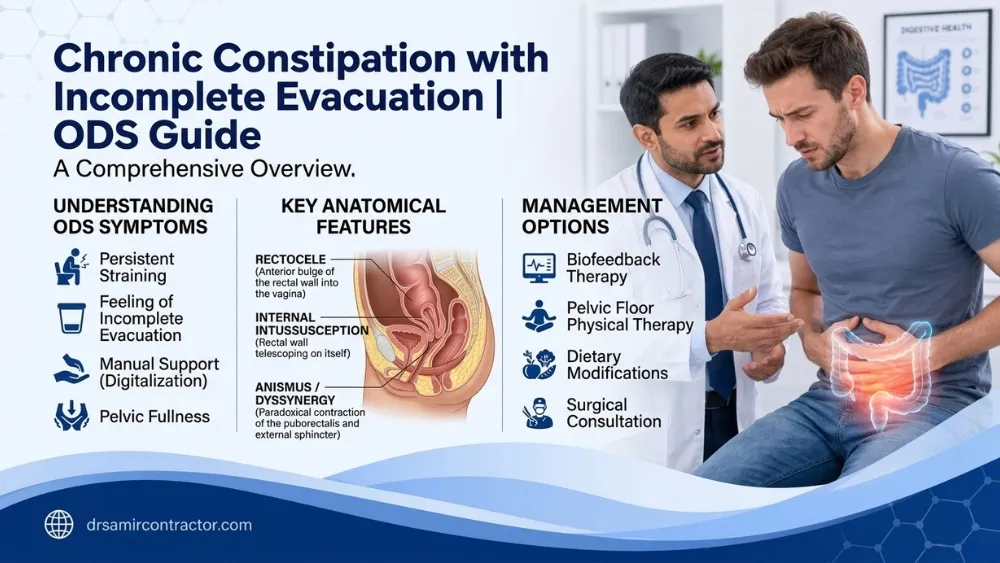
- Obstructed defecation syndrome - the pelvic floor muscles do not relax normally during defecation (paradoxical puborectalis contraction). The patient strains against a closed or narrowed outlet.
- Fear-avoidance cycle - patients with anal fissures or painful hemorrhoids defer defecation, the stool becomes harder, and straining increases when they finally defecate, worsening the tear or hemorrhoids.
- Wrong posture - the Western toilet creates a less optimal anorectal angle than squatting. Using a footstool reduces the need to strain by up to 40%.
- Rushing - attempting defecation without adequate time, or immediately on waking without establishing a gastrocolic reflex.
Consequences of Chronic Straining
- Hemorrhoids - repeated Valsalva manoeuvre (bearing down) increases intra-abdominal and venous pressure in the hemorrhoidal plexus, causing progressive engorgement and prolapse
- Anal fissure - hard stool tears the delicate anal lining; straining with hard stool makes this worse and perpetuates chronic fissures
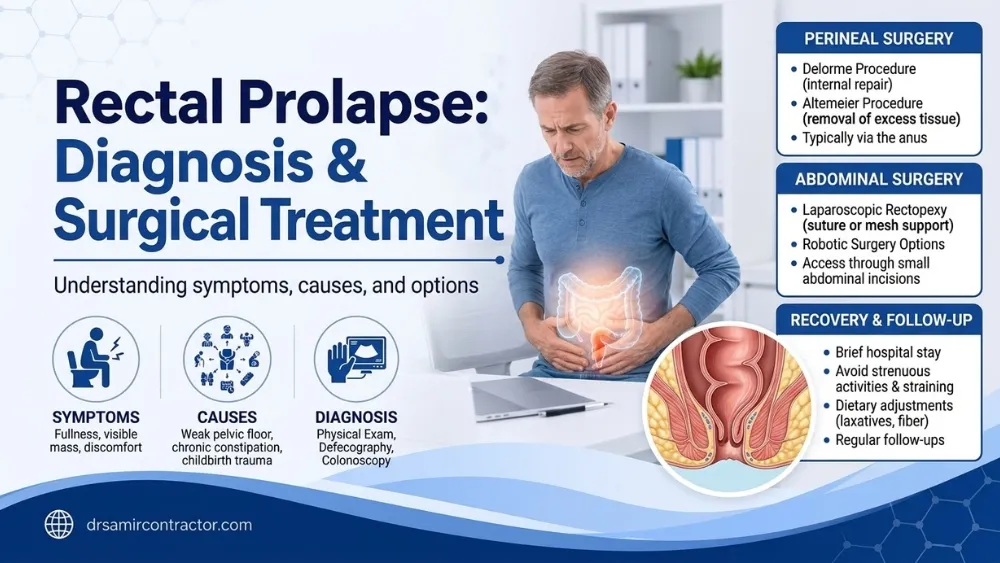
- Rectal prolapse - chronic straining pushes the rectum progressively downward; initially only internal, eventually the rectum prolapses through the anal opening
- Urinary dysfunction - chronic straining can damage the pudendal nerve, contributing to urinary incontinence and pelvic floor weakness
- Cardiovascular effects - Valsalva manoeuvre during straining briefly increases blood pressure and can be dangerous in patients with cardiac or cerebrovascular disease
Red Flags
Straining with these features needs evaluation:
- Blood in stool alongside straining - hemorrhoids, fissure, or colorectal pathology
- Pain during straining - anal fissure or obstructed defecation
- Tissue prolapsing out of the anus during straining - rectal prolapse or hemorrhoid prolapse
- Straining with change in stool calibre (pencil-thin stools) - colonoscopy needed
How to Eliminate Straining
- Dietary fibre 25-35g/day + 2-3L water - produces soft, bulky stools that pass easily
- Footstool or squatting position - raises feet to 15-20cm, improving the anorectal angle and dramatically reducing the effort needed
- Establish toilet routine - 15-20 minutes after breakfast (gastrocolic reflex strongest); allow 5-10 minutes without rushing
- Respond to defecation urge promptly - do not suppress; stool held in rectum becomes harder
- Treat underlying causes - if anal fissure is causing fear-avoidance: treat the fissure first (topical GTN/botox), then normalise bowel habits
- Biofeedback physiotherapy - for obstructed defecation syndrome with paradoxical sphincter contraction
Desi Patient Questions
Ha - chronic straining thi hemorrhoids, fissure, ane rectal prolapse develop thay chhe. Solution: fibre vadharo (bhakri, vegetables, fruits), paani vadharo, ane footstool use karo toilet ma. Squatting position straining dramatically reduce kare chhe. Doctor pase jao jyaré blood ya pain pan hoy.
Frequently Asked Questions
Related Pages
Chronic Straining Causing Problems? Get Evaluated in Vadodara
Dr Samir Contractor at Sterling Hospital, Vadodara provides anorectal evaluation and treatment for straining-related anorectal conditions.
Medical Disclaimer: For patient education only. Not a replacement for medical consultation.