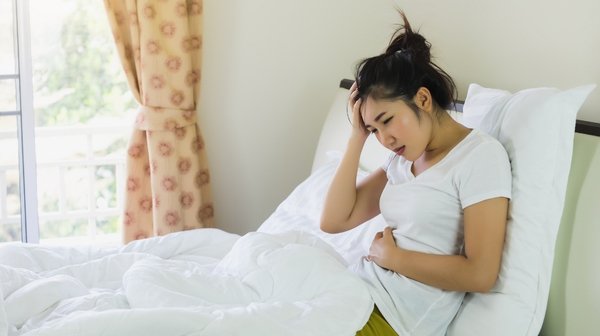
Nausea combined with abdominal pain is a very common symptom combination with many possible causes. In the context of gallbladder disease, nausea almost always accompanies biliary colic and acute cholecystitis. Identifying the associated pattern of pain - particularly its location, timing, and whether fever or jaundice is present - determines the urgency and the appropriate management.
Quick Answers
Nausea is one of the most non-specific GI symptoms - it can come from the inner ear, the brain, the stomach, the gallbladder, the pancreas, or dozens of other sources. When nausea occurs alongside abdominal pain, the location and character of the pain becomes the key diagnostic tool.
In biliary disease specifically, nausea is a near-constant companion to pain - the gallbladder's nerve supply overlaps with the vagus nerve, which controls nausea reflexes. Most patients with biliary colic describe their attacks as: right upper pain + nausea + sometimes vomiting, starting 30-60 minutes after a heavy meal and resolving after 1-4 hours.
How Gallbladder Disease Produces Nausea with Pain
Biliary Colic Pattern
- Right upper pain + nausea together
- Starts 30-60 minutes after fatty meal
- Nausea builds with the pain
- May vomit - but vomiting does not relieve pain
- Both pain and nausea resolve in 1-4 hours
- Completely well between attacks
- Ultrasound confirms gallstones
Cholecystitis / Urgent Pattern
- Constant right upper pain + persistent nausea
- Fever develops alongside
- Vomiting becomes more frequent
- Pain does not resolve - worsens over hours
- Tender to touch in the right upper abdomen
- Murphy's sign may be positive
- Needs hospital admission + antibiotics
Other Causes of Nausea with Abdominal Pain
- Acute pancreatitis - severe central pain radiating to the back with severe persistent vomiting; often from gallstones or alcohol
- Appendicitis - nausea + periumbilical pain shifting to right lower abdomen + fever
- Peptic ulcer - nausea with central upper pain, often on empty stomach; partially relieved by antacids
- Gastritis - nausea with upper central pain after meals; responds to PPIs
- Food poisoning / gastroenteritis - nausea + vomiting + central cramping; usually self-limiting
- Bowel obstruction - nausea + vomiting + colicky abdominal pain + inability to pass stool or gas; emergency
Red Flags - When Nausea with Pain Needs Urgent Care
Go to hospital urgently if nausea and abdominal pain include:
- Fever - suggests infection such as cholecystitis, appendicitis, or cholangitis
- Right upper pain constant for more than 4-6 hours - cholecystitis may be developing
- Jaundice appearing alongside pain and fever - cholangitis is an emergency
- Severe central pain radiating to the back - possible pancreatitis
- Cannot keep any fluid down - dehydration risk
- Rigid or very tender abdomen - possible peritonitis
- Pain shifting from periumbilical to right lower abdomen - possible appendicitis
Nausea with abdominal pain should not be ignored when fever, jaundice, persistent vomiting, severe tenderness, or worsening pain is present.
Treatment
Gallstone-related nausea and pain
- Anti-emetics for symptom control during an acute attack
- Pain relief - anti-spasmodics or analgesics
- Nil by mouth during a severe attack to reduce gallbladder stimulation
- Definitive treatment: laparoscopic cholecystectomy - removes the gallbladder and prevents future attacks
Cholecystitis (infected gallbladder)
- Hospital admission
- IV antibiotics + IV fluids
- Nil by mouth
- Laparoscopic cholecystectomy within 72 hours for best outcomes
Frequently Asked Questions
This Symptom in India
Key India-specific factors
- Nausea after fatty Indian food with upper abdominal pain is commonly seen with biliary colic from gallstones in clinical practice.
- The tendency to attribute nausea after meals to "acidity" can lead to repeated antacid use without identifying gallstones.
- Ultrasound should be considered early in any patient with recurrent post-meal nausea and upper abdominal discomfort.
Desi Patient Questions
Ha - nausea + right upper pain after fatty food = biliary colic pattern. Ultrasound karo. Gallstones confirm thay most likely. Cholecystectomy long-term solution chhe - recurring attacks prevent karva ane complications avoid karva.
Fever sathe nausea ane abdominal pain hoy to wait na karo. Cholecystitis, appendicitis, cholangitis ke pancreatitis jevi urgent problem hoi shake. Hospital evaluation jaruri chhe.
Seek Care in Vadodara
Recurrent nausea with upper abdominal pain after meals - consult Dr Samir Contractor at Sterling Hospital, Vadodara for ultrasound evaluation and surgical consultation.
Nausea with Abdominal Pain? Get Properly Evaluated in Vadodara
Dr Samir Contractor at Sterling Hospital, Vadodara provides ultrasound, blood tests, and surgical management for gallbladder and biliary causes.