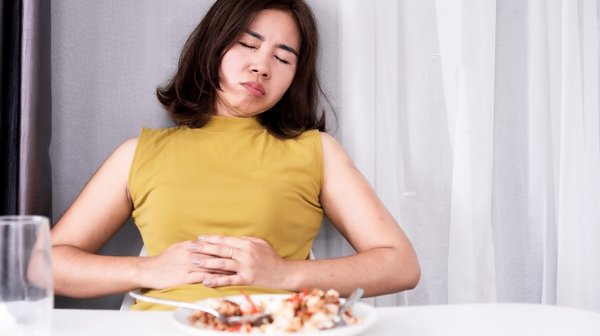
Post-meal bloating is commonly attributed to "gas" or "acidity." However, gallstone disease is a frequently missed cause of bloating - particularly when the bloating is in the right upper abdomen, follows fatty food specifically, and is accompanied by discomfort or nausea. This pattern is called biliary dyspepsia, and an ultrasound quickly identifies whether gallstones are the culprit.
Quick Answers
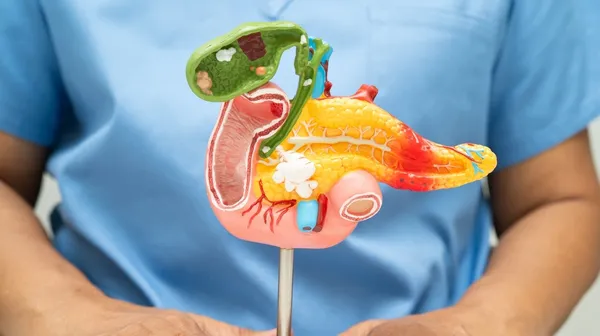
The gallbladder's role in fat digestion makes it directly relevant to post-meal symptoms. When bile flow is impaired by gallstones - whether through partial obstruction, inflammation, or a poorly contracting gallbladder - fat digestion is disrupted. This produces post-meal bloating, heaviness, and discomfort that is specifically worse after oily meals.
This condition - biliary dyspepsia - is extremely common in Indian patients with gallstones and is almost universally mismanaged as "gas" or "acidity" for months before the gallstones are identified on ultrasound.
What Is Biliary Dyspepsia?
Biliary dyspepsia refers to the constellation of upper GI symptoms produced by gallstone disease - bloating, upper abdominal discomfort, nausea, and heaviness after meals - that do not involve the classic severe colicky pain of biliary colic. It may precede the first attack of biliary colic by months or years, and represents the gallbladder's impaired function from chronic stone-related irritation.
Many patients with biliary dyspepsia have had antacids, prokinetics, or functional dyspepsia treatment for months without improvement - because the cause is in the gallbladder, not the stomach. An ultrasound identifies gallstones in minutes and changes the management pathway immediately.
Gallbladder-Related vs. Functional Bloating
- Gallbladder bloating: Right upper abdomen, after fatty food specifically, may have right shoulder discomfort, episodic, ultrasound shows gallstones, resolves with cholecystectomy
- Functional bloating (dyspepsia): Central upper abdomen, after any meal, no right shoulder radiation, associated with stress, endoscopy and ultrasound normal, managed with dietary change + prokinetics
- Gas from diet: Lower abdomen mainly, after gas-forming foods (rajma, chole, cabbage), belching or flatulence relieves it, no right upper predominance
- GERD-related bloating: Combined with heartburn and regurgitation, worse when lying down, responds to PPIs
Seek evaluation when bloating with upper pain includes:
- Fever - suggests cholecystitis
- Jaundice (yellow eyes/skin) - bile duct obstruction
- Severe pain that does not resolve - not simple biliary dyspepsia
- Weight loss - needs endoscopy to exclude malignancy
Treatment
Confirmed gallstones with biliary dyspepsia
- Low-fat diet - reduces symptoms while awaiting surgery
- Laparoscopic cholecystectomy - removes the gallbladder and resolves biliary dyspepsia in most patients
- Note: Some patients have residual functional dyspepsia after surgery - this responds to standard functional dyspepsia management
Functional bloating without gallstones
- Dietary modification - reduce gas-forming foods, eat smaller meals
- H. pylori testing if dyspepsia is prominent
- Prokinetics for gastric motility component
Frequently Asked Questions
Desi Patient Questions
Ha - biliary dyspepsia gallstones thi thay chhe. Bloating + upper abdominal heaviness after fatty food = gallbladder check karvo. Ultrasound karo. Jyaré stones confirm thay to cholecystectomy bloating resolve kare chhe most patients ma.
Post-Meal Bloating Not Improving? Check for Gallstones in Vadodara
A 30-minute ultrasound at Sterling Hospital, Vadodara can confirm whether gallstones are the cause. Dr Samir Contractor provides same-day consultation.